The 10 Worst Self Propelled Wheelchair FAILS Of All Time Could Have Been Avoided
Self Propelled Wheelchair With Attendant Brakes Self-propelled wheelchairs that come with brakes that are attendant are a fantastic option for those who need extra support and stability when traveling. These chairs come with rear-drive wheels and a range of accessories that can be added, such as flip-up leg rests that swing away or flip-down armrests. There has been wheelchairs self propelled of the movement and turning of the chairs' attendants. This area warrants further research. Seat length A wheelchair's seat width is the measurement of the distance from one end of the frame to the other. This is crucial when selecting a wheelchair, as the different types of users will require different dimensions. For those with larger thighs, for example might require an oversized wheelchair with a wider seat. To determine the right size, you must sit in the chair and take a measurement of the width across your thigh area. A yardstick is usually the best option, as it will allow you to get an accurate measurement. It is important to consider the width of the seat of an automatic wheelchair with attendant brakes, particularly for caregivers. A wider seat will allow the user to move more comfortably and freely. It will also make it easier for caregivers to maneuver the chair in tight spaces. A lot of attendant controlled wheelchairs are light and have smaller wheels for easy pushing and maneuvering. They are ideal for people with limited upper-body strength and coordination. 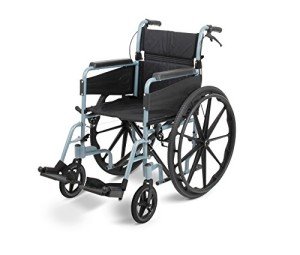 A wheelchair should also come with brakes that are simple to use. These are important for ensuring safety, both while driving and when transferring. They also increase the occupants' independence and ease stress. Dundee University research has shown that the most effective braking system is one that employs a foot lever which is easy to access and operated using just one hand. In contrast to self-propelled wheelchairs that feature larger rear wheels and hand rims, attendant controlled wheelchairs have smaller wheels and are designed to be driven by caregivers. They are perfect for people with limited upper body strength and can easily maneuver in a variety of environments. The majority of models come with cable brakes to increase security and ease of use. Some models are able to fold flat for easy storage and transportation in a vehicle. In addition, many models prioritize the user's comfort by offering features such as armrests that are padded and comfortable seats. Seat height The seat height of a self-propelled wheelchair with attendant brakes may vary significantly and must be carefully considered. The best position is one that allows the user to sit up straight and comfortably without strain. However the height of the seat can also affect the amount of force needed to push the wheelchair forwards. This can have a significant impact on the performance of a wheelchair, and is especially important when a wheelchair has front-wheel drives. The position of the pushing handles can make a huge difference in the ease which a wheelchair is driven. Most current wheelchairs feature handles that are placed horizontally across the rear of the frame or as backward-pointing levers extending from the chair back. Recent research on pushing has shown that these positions for handles are not suitable for wheelchairs. Many people use wheelchairs in the home, in hospitals and other settings. A lot of these people are unable to walk and require assistance in moving around. Attendants, who are typically close family members or friends of the occupant, may be unable to walk and may find it difficult to maneuver wheelchairs both indoors and out. They may also face difficulties getting the person out of the wheelchair. One of the main concerns for the attendant is the ability to maintain control of the wheelchair in a setting which is often chaotic. A wheelchair with good manoeuvrability is essential, as are a wide set of wheels and puncture-proof tyres. A good castor trail (the distance between the wheel axis and the axes of the handle holder) is also necessary for smooth riding. The Ugo Esteem Lightweight Self Propelled Wheelchair with Attendant Brakes is an excellent example of a well-designed wheelchair that is easy to push. This model features a lightweight aluminum frame, with a two-year frame warranty, and puncture-proof tyres. It has adjustable armrests and footplates, and an option to elevate the leg rest (please select this option from the drop-down list). The frame is small and folds up easily for easy transportation and storage. Seat depth The seat's depth in the chair is a crucial aspect that determines how easy it is for the user to move. A deeper seat can help keep a person from sliding forward and falling off the chair. A seat that is not deep can cause discomfort and injuries. A wheelchair should have at least 2 inches of depth. This should allow enough clearance to avoid small obstacles and to get up kerbs. In addition to the width of the seat, the height of the seat and armrests are crucial in determining the appropriate size of the wheelchair for a particular user. A taller person would require an elevated seat, while smaller people will require a smaller one. If the wheelchair is to be used for postural support the backrest should be higher than normal. This will make the wheelchair more comfortable for the user and will allow them to sit up straight. The force applied to the wheels determines the roll resistance of a wheelchair. This force is dependent on the wheel's curvature radius and surface condition. Wheels can be designed with a softer tire, to reduce friction between the tire tread and the road surface, or to increase the rim width. The wheel's moment of inertia can be reduced as well by altering the castor design. The ugo Esteem Self-Propelled Wheelchair For instance, it has a castor path that can be altered to fit the user. This makes it less likely to slide and more easy to turn when starting from rest. The adjustable footrest angle and height, the seat cushion and backrest make it more suited for each user. The seat height of a wheelchair can be measured by measuring from the spine's base to the back of the knee. Typically the measurement should be taken by a professional to prevent injury to the user. It is essential to take into account whether the user will require an footrest, and if so, the height of that. Armrests Wheelchairs are frequently used by nurses in hospitals for transporting patients between departments, and also as the main mode of transportation for patients who are unable to walk. Transferring patients in and out of wheelchairs is a difficult task for attendants, who need to lift them repeatedly and then push and maneuver the chair on different surfaces. The ergonomic design of these chairs should aim to make propulsion and general operation as easy for attendants as is possible by reducing the physical demands on them. The characteristics of handling these chairs, such as their resistance to rolling and turning resistance, handle height and the position of brakes, must be optimised biomechanically in order to ensure maximum comfort for participants. The armrests in a self-propelled wheelchair with attendant brakes should be positioned in a way that allows patients with good arm strength to assist in getting up from the chair. They must be able to be removed in order to ensure that they do not block the access of those less able to lift themselves into the seat. The first prototype chair made in Dundee had armrests that extended forward to give support to the user's hands and which could be folded back when not in use. If the user is seated in the chair for a longer period of time or on short trips, it's important that they are comfortable and safe. The padded seat and backrest are both made of tough clean, wipe-clean nylon. In addition the foot rests on this model are adjustable and swing away so that transfers are made much easier. The lightweight attendant controlled chair includes a range of features that can be beneficial for the caregiver or the attendant. They include adjustable footplates, flip-up, adjustable armrests to help with side transfers and help them get closer to the desk, cable brakes for reducing speed, and an incline tube to climb curbs. The backrest can be folded down for convenient storage and transport. The lightweight wheelchair is available in two sizes. A 12-month warranty is included as standard.